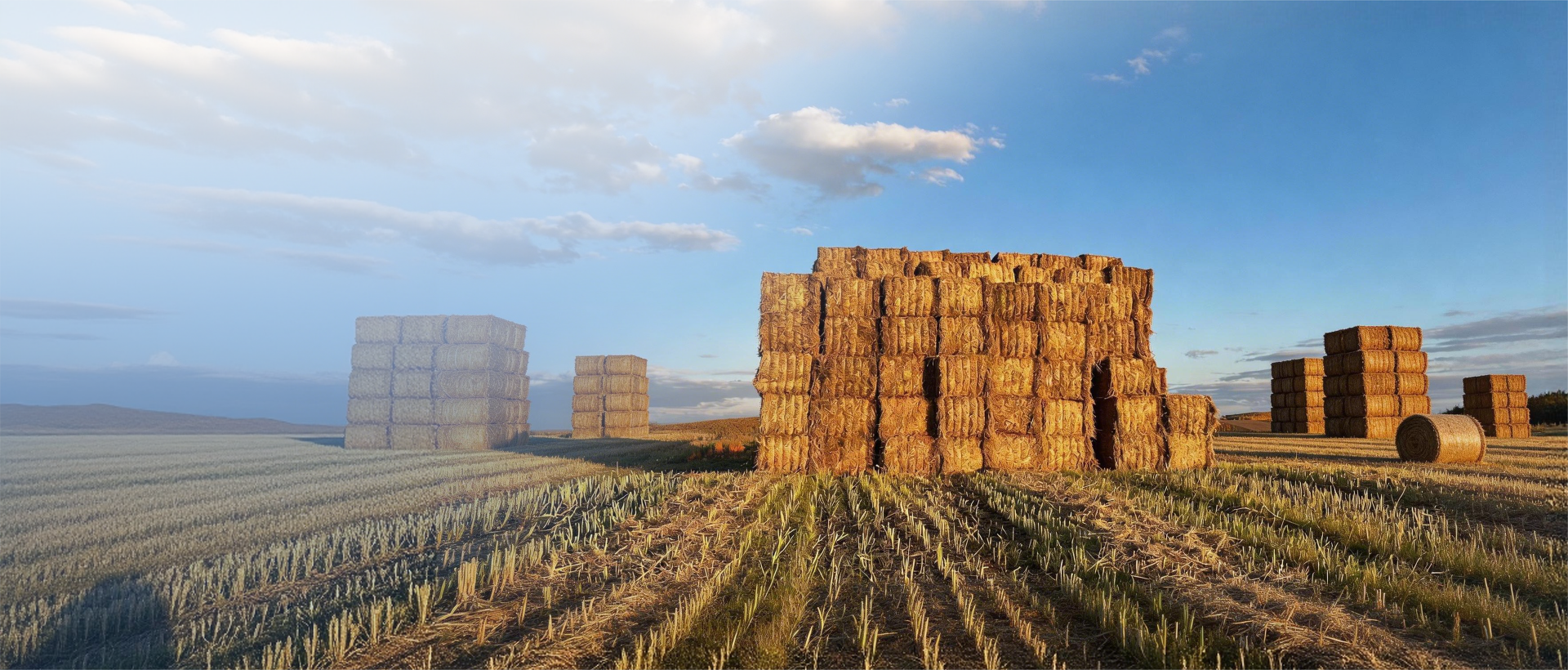
Why Invest in a Modern Baler?
In modern agriculture and farming operations, the role of balers as essential mechanical equipment cannot be ignored. A high-quality baler not only improves work efficiency and reduces labor costs, but also promotes the automation and standardization of the entire harvesting process. In this article, we will discuss why it is necessary to purchase a baler and explore its vital role in modern farming.
1. Improve Production Efficiency
Purchasing a baler significantly boosts operational efficiency. Traditional manual compaction and packing methods are time-consuming, labor-intensive, and highly inefficient, making them unable to meet the demands of large-scale operations. Modern balers feature automated workflows that quickly and accurately package materials, maximizing overall output. This efficiency is especially critical during peak harvest seasons, helping farmers and agricultural contractors complete demanding tasks rapidly and maximize economic benefits.
2. Reduce Labor Costs
As labor costs rise, minimizing expenses is critical. Investing in a baler reduces reliance on manual labor, with one machine replacing multiple workers and lowering expenditures. These intuitive machines require minimal training, saving time and onboarding costs. Additionally, automated baling eliminates human error and material waste, cutting overall production costs.
3. Promote Automation and Standardization
Balers drive automation and consistency across operations. Mechanized packing eliminates human error, significantly improving bale quality and stability. Furthermore, balers can be integrated with other equipment to automate the entire production line, maximizing workflow efficiency and accuracy.
4. Adapt to Diverse Material Compaction Needs
Balers offer exceptional versatility, adjusting seamlessly to various crop compaction needs. Whether handling crop straw, pasture, or silage, these diverse materials can be efficiently compressed and packed. Consequently, balers are widely utilized across agriculture, animal husbandry, and related processing industries. Farmers and contractors can easily choose specific models and configurations that match their exact operational requirements to achieve customized processing workflows.
5. Environmental Protection and Energy Efficiency
Baling machines deliver significant advantages in environmental protection and energy efficiency. By compacting loose materials, the equipment drastically reduces dispersion and waste during transportation and storage, minimizing the overall environmental footprint. Furthermore, eco-friendly machine designs lower energy consumption and carbon emissions, perfectly aligning with modern sustainable practices.
6. Long-Term Return on Investment
While purchasing a baler requires an upfront capital investment, the long-term Return on Investment (ROI) is highly substantial. As you scale up production and continuously improve operational efficiency, the equipment drives long-term profitability. It enhances the market competitiveness of enterprises and opens up new opportunities for business growth.
In summary, purchasing a baler offers numerous advantages, from boosting efficiency and cutting labor costs to promoting automation and environmental sustainability. For enterprises handling substantial volumes of material, investing in a reliable baler is undoubtedly a highly profitable, long-term strategic decision.