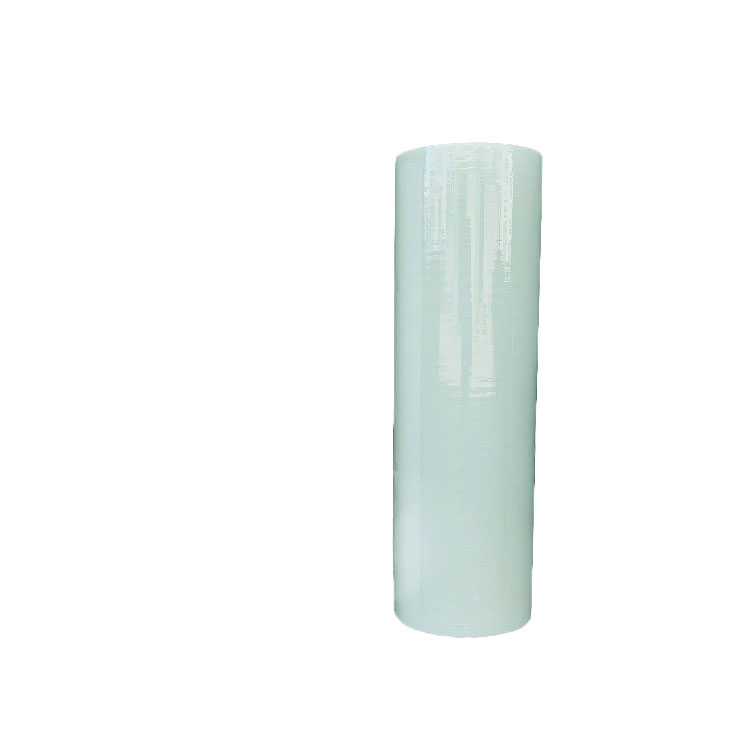
Beyond Single-Layer Plastic: What Makes Modern Multi-Layer Silage Film Superior
Time and weather are a farmer's biggest enemies during harvest. Once the straw hits the ground, the clock is ticking to lock in the nutrients before rot and spoilage take over. That is why choosing the right silage film is a make-or-break decision.
For bulk agricultural distributors and custom baling crews, supplying a silage film that splits or degrades under the sun isn't just a bad product—it's a ruined customer relationship.
Here is a breakdown of why high-performance silage film has become the backbone of modern forage storage and how it protects your buyers' bottom line.
How Premium Silage Film Works Its Magic
This isn't your standard packaging plastic. We are talking about a highly engineered technical barrier built to take the heavy abuse of high-speed automated wrappers.
As the bale wrapper spins, the film has to stretch perfectly over the sharp, uneven shoulders of the bale without snapping or leaking. A premium film has excellent "elastic memory." It snaps back to create a 100% airtight, vacuum-like seal that shuts out oxygen and locks in the right moisture.
This airtight seal instantly triggers anaerobic fermentation. It lets the good lactic acid bacteria thrive and "pickle" the forage, keeping that high-protein feed value locked in for months on end.
The Hardcore Benefits of High-Performance Silage Film
Why are commercial operations and custom cutting crews upgrading to multi-layer, virgin-resin film? It comes down to three harsh field realities:
- 16-Month UV Protection: High-grade films are packed with premium UV stabilizers. Bales can sit out in the baking sun across seasons without cracking, chalking, or breaking down.
- Insane Puncture Resistance: Stiff crops like maize, alfalfa, or sorghum have sharp stubble that pokes right through cheap film. A high-performance co-extruded films stretches tight without blowing out.
- Zero Mold, More Milk: By dropping oxygen levels to near zero, premium films stop white rot and mold in their tracks. That means zero crop loss and high-quality, sweet feed that keeps cows happy and boosts milk yields.
Where the Rubber Meets the Road
These specialized films are a staple for heavy-duty farming and forage logistics:
1. Dairy and Beef Operations
Wrapping high-moisture grass, clover, and alfalfa right in the field ensures a reliable, nutrient-dense winter feed supply.
2. Commercial Forage and Exporting
For large-scale hay brokers moving bales long distances or shipping overseas, high-strength wrapping ensures bales stay tight and intact through rough handling and shipping.
Where Is the Technology Heading?
The agricultural industry has officially outgrown old-school single-layer or 3-layer blown films.
The future belongs to 5-layer and 7-layer co-extrusion technology. By blowing multiple micro-layers of plastic together, manufacturers can give each layer a specific job. The outside layer blocks UV rays, the middle layers provide extreme tensile strength, and the inside layer delivers maximum cling. This makes the film thinner, stronger, and much more cost-effective.
In Summary
At the end of the day, high-quality silage film is the ultimate insurance policy for winter feed.
For agricultural wholesalers, distributors, and implement dealers, stocking a factory-direct, top-tier silage film is the easiest way to secure high-margin, recurring aftermarket sales every single harvest season.