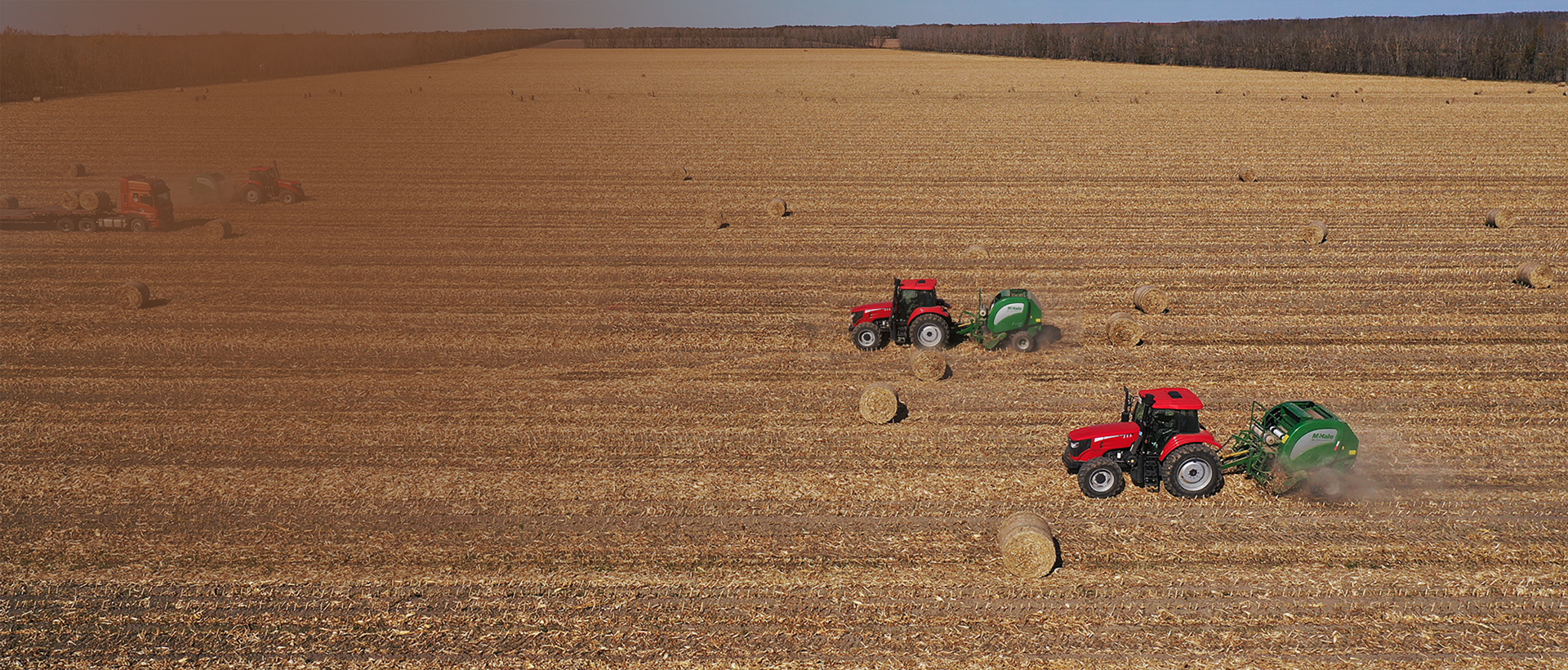
Key Factors to Consider When Purchasing a Baler
In modern production operations, balers serve as essential equipment across various workflows, playing a crucial role in driving automation and efficiency. However, with so many brands and models on the market today, determining how to select a cost-effective baler that fits your specific operational needs has become a major challenge for many businesses.
Clarify Your Operational Needs
Before purchasing a baler, it is necessary to determine your production needs. This includes understanding the required operating capacity, efficiency, and accuracy requirements. At the same time, it is necessary to consider factors such as the complexity of equipment operation, maintenance costs, and compatibility with existing production lines. Only clear production requirements can help you choose the appropriate baler.
Research Market Options and Trends
Once your requirements are clear, research the current market regarding brands, models, pricing, and warranties. You can gather valuable insights through industry trade shows, agricultural equipment publications, and reputable online forums. Additionally, consult with peers or local contractors to learn from their hands-on experience and recommendations, helping you make an informed decision.
Partner with Established Brands
When purchasing a baler, it is highly recommended to choose products from reputable, established manufacturers. Industry-leading brands typically deliver superior build quality, responsive technical support, and extended equipment lifespans. While the upfront cost may be higher, the long-term economic benefits and reliable performance offer better value and enhance your operational peace of mind.
Evaluate Equipment Performance and Reliability
Pay close attention to key performance indicators, including operational accuracy, structural stability, and overall reliability. High operational accuracy ensures consistent bale weight and density, directly impacting crop quality. Reliability is crucial to maintaining uptime during tight harvest windows. Prioritizing these performance metrics guarantees that the baler can reliably handle your field workloads.
Review Operation and Maintenance Costs
Evaluating user-friendly controls and maintenance requirements is essential. Equipment should feature an intuitive design, allowing operators to learn the system quickly and reduce onboarding time. Meanwhile, routine maintenance should be simple, and spare parts should be easily accessible to lower ongoing operating costs. Responsive after-sales support from the dealer is also critical to minimizing unexpected downtime.
Establish a Realistic Budget
A well-planned budget should be aligned with your enterprise's financial baseline. Beyond the initial purchase price, your budget must account for freight, installation, operational training, and long-term costs like depreciation and maintenance. Establishing a realistic budget protects your cash flow and ensures long-term operational sustainability.
In summary, selecting the right baler requires careful and comprehensive consideration. By clearly identifying your operational needs, evaluating market trends, choosing reputable brands, and defining a realistic budget, you can secure high-performance equipment that drives long-term value. We hope the insights in this guide help you make a confident and profitable purchase decision.